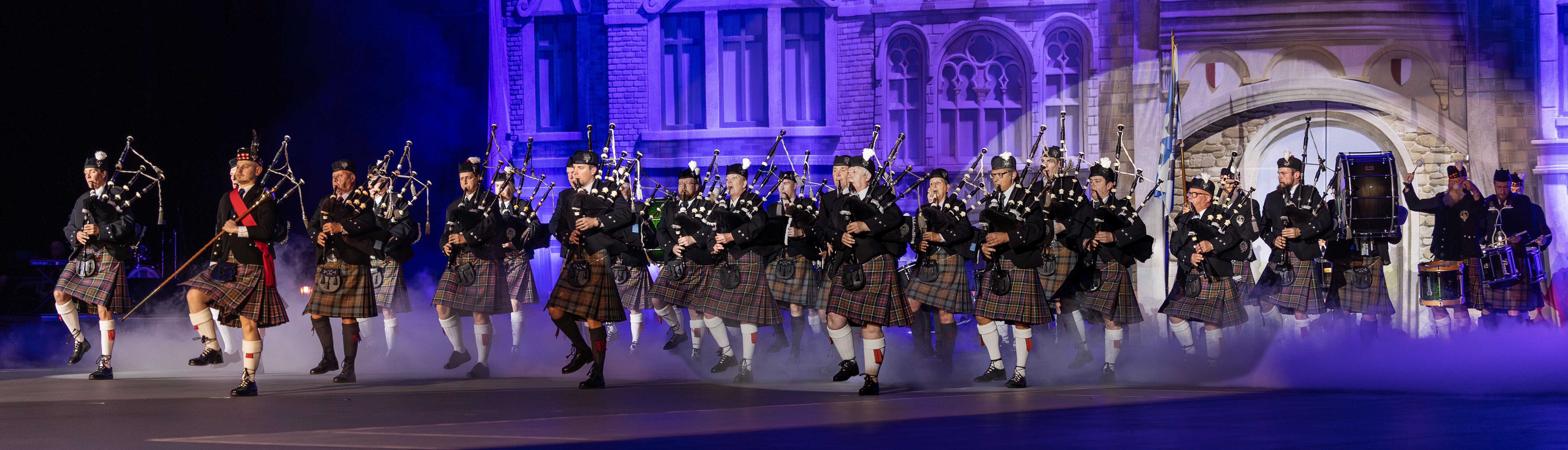
Chances are, the sounds of Dutch Pipes and Drums are familiar to you. Perhaps you’ve seen us at one of the many parades somewhere in The Netherlands, during an impressive military tattoo, or on one of the largest concert stages in the world. Many people know us by sight and sound, but behind the imposing uniforms and the stirring music lies a rich history and an organization with a deep passion for Scottish culture.
What began in 1953 in Tilburg as a youth band called 'De Scotjes' (The Wee Scots)—founded as an homage to our Scottish liberators—has grown into a major, adult show band in Europe. This growth is the result of decades of dedication, friendship, and a relentless pursuit of musical perfection.
Whether we are adding solemn dignity to a memorial service or entertaining a stadium with tens of thousands of people, our mission remains the same: to proudly and passionately perform the authentic and powerful sound of the bagpipe and the drum.
We’re glad you’ve taken the time to get to know us better. On this website, you can delve deeper into our history, discover the faces behind the music, and check our agenda to see where you can experience us live.
For a look behind the scenes, recent photos, and videos of our performances, we warmly invite you to follow us on our social media channels. Discover the story, experience the music, and become part of our community!
Highland Dancing
Leer bij onze band de kunst van het dansen volgens de Schotse cultuur.
Highland Drumming
Leer bij onze band de kunst van het drummen volgens de Schotse cultuur.
Highland Piping
Leer bij onze band het bespelen van de Schotse Doedelzak.
Highland Dancing
The Power and Grace of Highland Dancing
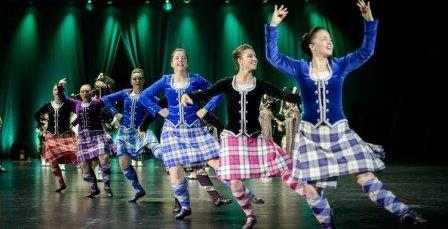
Fascinated by the athletic leaps, the precise footwork, and the impressive grace of Scottish Highland Dancers? Highland Dancing is a unique and challenging dance form that blends technique, strength, and musicality. It's a sport and an art form all rolled into one. Thinking about giving this discipline a try? We’ve got a fantastic group of experienced instructors ready to help you on your way.
With its origins in the martial traditions of the Scottish Highlands, Highland Dancing is a spectacular style practiced worldwide. A pipe band is like a traveling family—a group of people sharing a passion for Scottish culture, music, and performance. And within that band, the dancers play a crucial role: they are the visual interpretation of the powerful music.
Your First Step: What to Expect?
Highland Dancing is physically demanding. It's often described as a combination of ballet and athletics. You'll work on your fitness, muscle strength (especially in your legs and core), coordination, and balance. That’s why the structure of the classes is different from social dance lessons.
Clothes and Shoes: For a trial lesson or the first few classes, comfortable athletic wear is fine—think leggings or shorts and a t-shirt. The most important thing is that the instructor can clearly see your knees and feet to correct your posture. You’ll usually dance in socks or soft ballet slippers. As you progress, you'll purchase special Highland ghillies (dance shoes). A kilt isn't necessary for beginners; it's usually only worn for performances or competitions.
No Partner Needed: Since Highland Dancing is a solo discipline, you don't need a partner. Of course, we do offer group lessons!
The Structure of a Highland Dance Class: Technique and Tradition
A Highland Dancing class is structured to build you from the ground up into a technically skilled dancer. A typical lesson looks like this:
Basic Technique and Positions
The core of the lesson is learning and perfecting the basic technique. You start with the five foot positions, similar to those in classical ballet or streetdance. Then you work on fundamental movements and postures:
Turnout: The outward rotation of the feet and legs from the hips.
Pointing: Extending the foot and toes.
Arm Positions: The correct placement of the arms, often with hands on the hips or one arm held elegantly up.
Learning Basic Steps
You'll learn the building blocks of Highland dances, such as the Shedding, Highcuts, and various leaping and landing techniques. These steps are repeated endlessly to build muscle memory. Precision is absolutely crucial here.
Choreography: The First Dances
Once you master a number of basic steps, you begin learning your first traditional dances. For beginners, these usually include:
The Highland Fling: Originally danced by warriors on a small shield, this dance symbolizes victory and joy. It is danced entirely on the spot.
The Sword Dance (Gillie Callum): A famous victory dance performed over two crossed swords on the ground. It demands enormous precision and agility—traditionally, touching the swords is seen as bad luck for the following battle!
The Journey of a Highland Dancer
Learning Highland Dancing is a marathon, not a sprint. It demands dedication, discipline, and perseverance. You'll find that you not only learn dance technique but also significantly improve your physical and mental strength.
As you advance, you'll learn more complex and faster dances, such as the Seann Triubhas and the Reel of Tulloch. For those with ambition, there's the opportunity to participate in competitions, both nationally and internationally, where you'll be judged on technique, timing, and interpretation.
You'll also learn more complex dances specifically tailored for shows, tattoos, and other events, allowing you to perform alongside the band.
Is This for You?
If you're looking for a hobby that physically challenges you and makes you part of a lively, social, and travel-loving community, then Highland Dancing within a pipe band might just be the perfect choice. You'll learn a beautiful, athletic art form and gain a tight-knit group of friends and a calendar full of unique experiences.
How to Learn the Bagpipes
How to Learn the Bagpipes
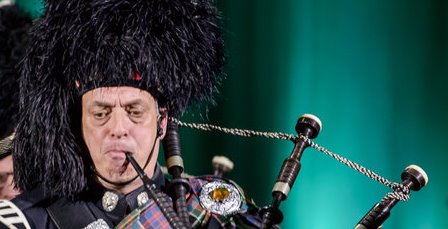
Learning to play the bagpipes is a unique musical journey that requires patience, perseverance, and passion. Unlike many other instruments, the bagpipes don't just involve musicality; they also demand a significant amount of physical coordination and breath control. Below, we explain the typical step-by-step learning process we follow.
1. Starting with the Practice Chanter
The first step in the learning process isn't the bagpipes themselves, but a smaller instrument: the practice chanter. This is essentially a training flute that helps you learn the basic notes and fingerings. The practice chanter is ideal for practicing scales and simple melodies without having to worry about blowing and maintaining pressure in the bag.
2. Reading and Playing Music
Alongside the physical skills, you'll also learn how to read and interpret music. Bagpipe music makes extensive use of ornamentation, such as gracenotes and doublings, which are essential for achieving the instrument's typical sound.
3. Transitioning to the Bagpipes
Once you have sufficient control over the practice chanter and have established a good foundation, you'll make the exciting transition to the actual bagpipes. Now you'll learn how to inflate the bag, maintain constant air pressure, and produce sound with both the chanter and the drones (the low, buzzing pipes that create the characteristic tone).
4. Breathing and Coordination
One of the biggest challenges is learning to coordinate blowing, squeezing, and playing music simultaneously. The air must flow continuously to maintain a stable tone. This requires practice, but with the right techniques, you will gradually build up excellent breath control and stamina.
5. Repertoire and Ensemble Playing
Over time, you will learn more and more traditional and modern pieces. This is also the point where you'll learn to march and begin participating in performances.
6. Continuous Practice and Growth
Just like with any instrument, the learning process never truly stops. You'll continue to refine your technique, learn new pieces, and improve your musicality.
Ready to Start?
Whether you dream of performing in a Scottish kilt or are simply curious about this special instrument, anyone can learn if they are willing to put in the time. We provide the instructor, the lesson material, and a great group of people to join; you bring a healthy amount of motivation, curiosity, and enough free time to practice.
Scottish drumming, also known as pipe band drumming, is a specialized field within the world of percussionists. In a pipe band, the drum corps and the pipers form a tight musical unit. Within the drum corps, there are three instruments: the side drum, the tenor drum, and the bass drum—each with its own role, technique, and character.
Curious about how to start? Below we explain the learning process for each instrument.
General Foundation: It Starts with Rhythm
Regardless of which type of drum you ultimately choose to play, you first learn the basics:
How to hold your sticks (grip and posture)
Basic rhythms and striking techniques (rudiments)
Reading music (specifically for pipe band drumming)
Practicing on a practice pad to build technique
Once the fundamentals are solid, you transition to your chosen drum.
Side Drum (Snare)
The side drum is the rhythmic heart of the drum corps. It is a technically demanding instrument where precision and speed are central.
What do you learn as a Side Drummer?
Rudiments: flams, drags, rolls, paradiddles, and more
Traditional grip: often used in pipe bands for control and finesse
Musical interpretation: how to add dynamics and expression
Ensemble playing: learning to play in a tight unit with other snare drummers
What does the learning progression look like?
Practicing on a practice pad to build technique and control.
Playing simple patterns and parts from the pipe band repertoire.
Transitioning to the actual drum and learning to handle the snare system and harness.
Playing together in a drum corps and tuning in with the bagpipes.
It takes a lot of practice, but striving for perfection with a group is highly rewarding.
Tenor Drum
The tenor drummer combines rhythm with visual flair. This drum adds accents and musical depth to the band—as well as visual excitement with flourishes (stick movements in the air).
What do you learn as a Tenor Drummer?
Rhythmic patterns; supporting the side and bass drums
Hand and arm coordination; especially when executing flourishes
Melodic accents; tenors are tuned to different pitches and can add various depths to the sound
Collaboration within the tenor section; for rhythmic and visual synchronization
What does the learning progression look like?
Basic technique; practicing basic rhythms and holding the sticks correctly.
Learning flourishes; movements for visual presentation.
Playing accents that musically complement the bagpipes and other drums.
Playing together in the tenor line; often in choreography.
Tenor drumming is ideal for those who want to combine a sense of rhythm with expression and movement.
Bass Drum
The bass drummers are the foundation of the band. With deep, powerful strokes, the bass drum sets the "heartbeat" and provides the pulse that the entire band relies on.
What do you learn as a Bass Drummer?
Tight timing and rhythmic feel; you are the one the whole band focuses on.
Feeling the music: you determine the tempo and intensity.
Collaboration with the snares and tenors to support the ensemble.
Dynamics and cadence: you learn to vary sound strength and timing.
What does the learning progression look like?
Practicing timing, the most important part as the heartbeat of the band.
Learning basic motifs and rhythmic structures.
Physical training: the instrument is large and requires stamina.
Rehearsals with the entire band to master tempo and pulse.
As a bass drummer, you are an indispensable part of the ensemble and essential for the foundation of every musical piece.
Ensemble Playing and Growth
After the initial months or years of foundation building, you increasingly become part of the group. Rehearsals, performances, and maybe even competitions ensure that you continue to develop—not only as a drummer but also as a musician.
You will learn to:
Collaborate with pipers.
Play in street parades, shows, or competitions.
Read, understand, and execute repertoire.
Ready to Start?
Whether you seek the flair of the tenor drum, the power of the bass, or the technical challenge of the side drum—there is a place for everyone in our band's drum corps. We provide the lesson materials, experienced instructors, and a fun group of people; you bring a healthy dose of motivation, perseverance, and time to immerse yourself in this hobby.
 DUTCH PIPES AND DRUMS