 DUTCH PIPES AND DRUMS

How to Learn the Bagpipes
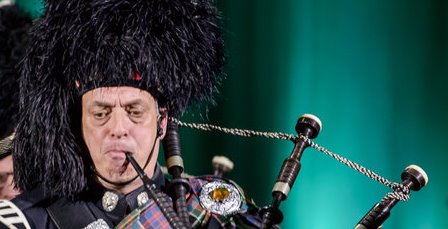
Learning to play the bagpipes is a unique musical journey that requires patience, perseverance, and passion. Unlike many other instruments, the bagpipes don't just involve musicality; they also demand a significant amount of physical coordination and breath control. Below, we explain the typical step-by-step learning process we follow.
1. Starting with the Practice Chanter
The first step in the learning process isn't the bagpipes themselves, but a smaller instrument: the practice chanter. This is essentially a training flute that helps you learn the basic notes and fingerings. The practice chanter is ideal for practicing scales and simple melodies without having to worry about blowing and maintaining pressure in the bag.
2. Reading and Playing Music
Alongside the physical skills, you'll also learn how to read and interpret music. Bagpipe music makes extensive use of ornamentation, such as gracenotes and doublings, which are essential for achieving the instrument's typical sound.
3. Transitioning to the Bagpipes
Once you have sufficient control over the practice chanter and have established a good foundation, you'll make the exciting transition to the actual bagpipes. Now you'll learn how to inflate the bag, maintain constant air pressure, and produce sound with both the chanter and the drones (the low, buzzing pipes that create the characteristic tone).
4. Breathing and Coordination
One of the biggest challenges is learning to coordinate blowing, squeezing, and playing music simultaneously. The air must flow continuously to maintain a stable tone. This requires practice, but with the right techniques, you will gradually build up excellent breath control and stamina.
5. Repertoire and Ensemble Playing
Over time, you will learn more and more traditional and modern pieces. This is also the point where you'll learn to march and begin participating in performances.
6. Continuous Practice and Growth
Just like with any instrument, the learning process never truly stops. You'll continue to refine your technique, learn new pieces, and improve your musicality.
Ready to Start?
Whether you dream of performing in a Scottish kilt or are simply curious about this special instrument, anyone can learn if they are willing to put in the time. We provide the instructor, the lesson material, and a great group of people to join; you bring a healthy amount of motivation, curiosity, and enough free time to practice.
Interested in learning one of our instruments? Please get in touch via our contact form for more information around lessons and our teaching plans for beginners and advanced players.